
MDMA therapy for PTSD (MDMA-AT) is an experimental treatment approach that combines a limited number of supervised MDMA dosing sessions with a structured course of psychotherapy, including preparation and integration sessions. The idea is that MDMA’s effects (often described as increasing openness, connection, and reducing fear responses) may help some people engage more effectively with trauma processing during therapy.
Post-traumatic stress disorder (PTSD) is a mental health condition that can develop after someone experiences or witnesses a traumatic event that threatens life, safety, or physical integrity — such as serious accidents, violence, abuse, natural disasters, war, or sexual assault.
Not everyone who goes through trauma gets PTSD, but for those who do, symptoms must last more than one month and cause significant distress or problems in daily life for a diagnosis.
PTSD symptoms typically fall into four categories:
PTSD can happen at any age and is often accompanied by other mental health issues like depression or anxiety.
In Canada, large national surveys show that a significant portion of adults have experienced traumatic events and many report PTSD symptoms:
• About 64% of Canadian adults report experiencing at least one potentially traumatic event in their lifetime.
• Approximately 7.7% of adults report having received a professional PTSD diagnosis at some point in their lives, and 6.1% currently have a diagnosis.
• When using a screening tool for symptoms (not necessarily a clinical diagnosis), 8.5% of adults show moderate to severe PTSD symptoms.
Differences by group:
• Women screen positive at higher rates (about 9.9%) than men (about 7.0%).
• Younger adults (ages 18–24) show higher symptom rates (~13.3%) than older adults (e.g., ~3.0% for those aged 65+).
In the United States, PTSD affects a notable portion of the population, with important differences by gender and age:
• National estimates indicate that about 3.5–4% of U.S. adults have PTSD in a given year.
• Lifetime prevalence — the percentage who will experience PTSD at some point — is around 6–7% of U.S. adults.
Gender differences:
• Women are more likely to experience PTSD than men. U.S. data show females around 5.2% past-year prevalence compared with 1.8% for males, and lifetime rates are higher for women.
Adolescents:
• Around 8% of U.S. adolescents (ages 13–18) may experience PTSD at some point.
A key recent result is the confirmatory Phase 3 randomized, placebo-controlled trial (MAPP2) published in Nature Medicine (Sept 2023). In this study, MDMA-AT produced a larger improvement in clinician-rated PTSD severity (CAPS-5) than placebo with therapy. By study end, 71.2% of participants in MDMA-AT no longer met PTSD diagnostic criteria (vs 47.6% in placebo+therapy);
Traditional, evidence-based PTSD care most often involves trauma-focused psychotherapies (the “gold standard”), and sometimes medications such as SSRIs; however, many patients still have significant symptoms, and dropout can be a challenge. The Nature Medicine Phase 3 paper notes that despite gold-standard trauma-focused therapies, many individuals have persistent symptoms, and that even with FDA-approved SSRIs (sertraline, paroxetine), a substantial minority do not respond.
MDMA-AT differs mainly in how therapy is delivered: it pairs psychotherapy with a few intensive, supervised MDMA sessions plus structured preparation/integration. MDMA-assisted psychotherapy shows promise even in some treatment-resistant PTSD populations, while emphasizing the need to weigh benefits and risks carefully.
Right now, access to MDMA-assisted therapy (MDMA-AT) for PTSD is mostly limited to research pathways because it is not approved for general clinical use either in the United States or Canada. In the U.S., the Department of Veterans Affairs notes that MDMA-AT can be studied in clinical trials, and Veterans interested in this treatment can look for approved trials (including within VA settings) as a legal route to participation. In Canada, Canada’s Health Canada Special Access Program (SAP) allows health-care practitioners to request authorized use of MDMA for individual patients with serious conditions (like treatment-resistant PTSD) on a case-by-case basis, subject to approval and strict oversight.
At Shroom Garden, we prioritize safety and transparency for those exploring MDMA for the first time, including for PTSD treatments. Our recommended products include:
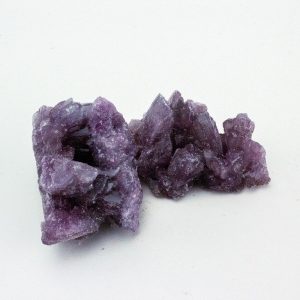
MDMA
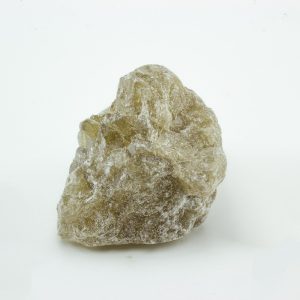
MDMA

MDMA
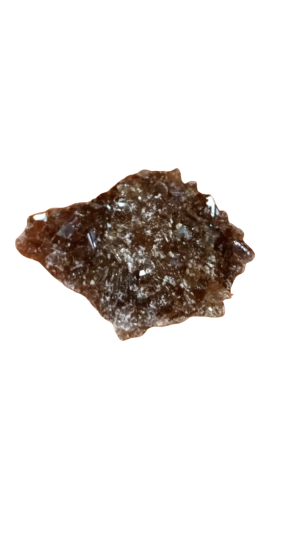
MDMA
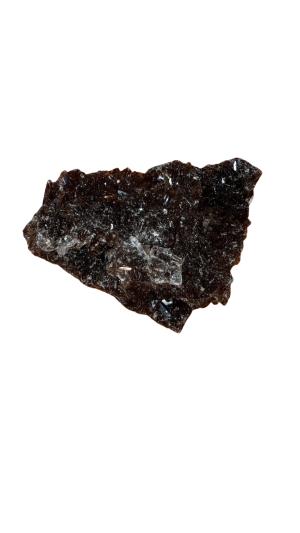
MDMA
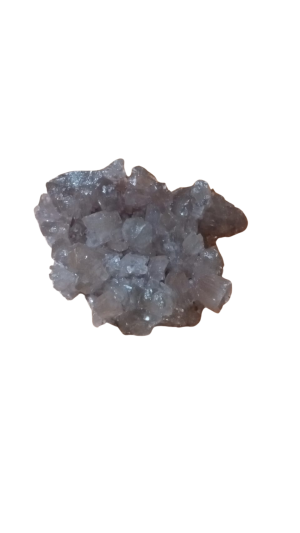
MDMA
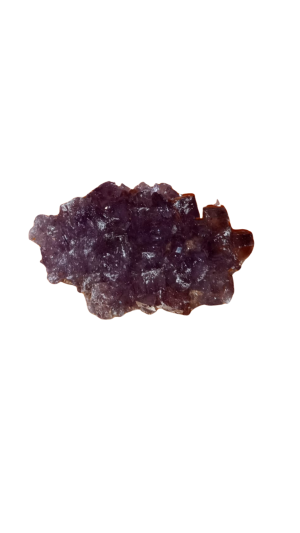
MDMA
MDMA
All of our MDMA products are available in both rock crystal form and also pill form, depending on your preferred dosage.
Every product undergoes rigorous third-party laboratory testing to verify purity, potency, and dosage accuracy. These tests confirm that each batch is free from harmful contaminants. We make these results available to our customers as part of our commitment to transparency and harm reduction.
We require strict age verification before any purchase is completed, ensuring only adults of legal age can access our offerings in compliance with all relevant laws and regulations.
Our customer service team is available to answer questions about product specifications, testing results, and harm reduction practices. For those interested in exploring MDMA in therapeutic contexts, we encourage reviewing our educational resources on MDMA harm reduction, MDMA therapy and clinical research.